Every fall, teachers across the country face the same quiet challenge: before they can move forward, they have to go back. Back to skills students had mastered in May. Back to concepts that slipped away somewhere between the last day of school and the first. It’s called summer learning loss — and when it comes to math, the research is clear: no subject takes a harder hit.
The Numbers Tell the Story
Studies consistently show that summer learning loss is more severe in math than in any other subject. While students lose ground in reading too, the drop in math is steeper and faster. Research indicates that between 70–78% of elementary students lose math knowledge over the summer, compared to 62–73% in reading. On average, students can lose anywhere from one to three months of math progress during summer break — progress that teachers then have to spend valuable fall weeks rebuilding before new learning can begin.
In fact, nine in ten teachers report spending at least three weeks reteaching lessons at the start of each school year. That’s nearly a month of the school year dedicated to recovery rather than growth.
Why Math Is More Vulnerable
Reading is practiced everywhere — in books, on screens, in everyday conversation. Math, on the other hand, largely lives inside the school building. When school ends, for many students, so does math.
Math is also cumulative in a way that few other subjects are. A student who loses ground in fractions over the summer doesn’t just fall behind in fractions — they arrive in the fall unprepared for decimals, percentages, algebra, and everything that builds on top. One summer of loss can create a gap that compounds year after year if it goes unaddressed.
And the loss isn’t random. It hits hardest for students from lower-income households, who are less likely to have access to tutors, math camps, or even quiet space for practice during the summer months. Research shows that the disruption of routine and lack of structured learning opportunities are the top contributors to summer slide — and those disruptions fall disproportionately on kids who already have the fewest resources.
The Compounding Problem
Here’s what makes summer math loss especially tricky: it accumulates. One summer of loss might seem manageable. But by the time a student reaches middle school, the effects of multiple summers of unaddressed math regression can add up to years of lost progress. Researchers have found that more than two-thirds of the achievement gap between students at different income levels forms not during the school year — but during summers.
This is not a small problem. It is one of the most significant and consistent drivers of educational inequality in the country.
What the Research Says Works
The good news is that the research is equally clear on the solution: high-quality, structured summer programs work. Programs that offer consistent academic instruction over a sustained period — at least five weeks, with focused math time each day — can meaningfully reverse summer slide and set students up to enter the fall ahead rather than behind.
The key word is structured. Passive summer activities don’t move the needle. What works is intentional, relationship-driven learning — the kind where students feel known, challenged, and supported.
That’s Where Math Corps Comes In
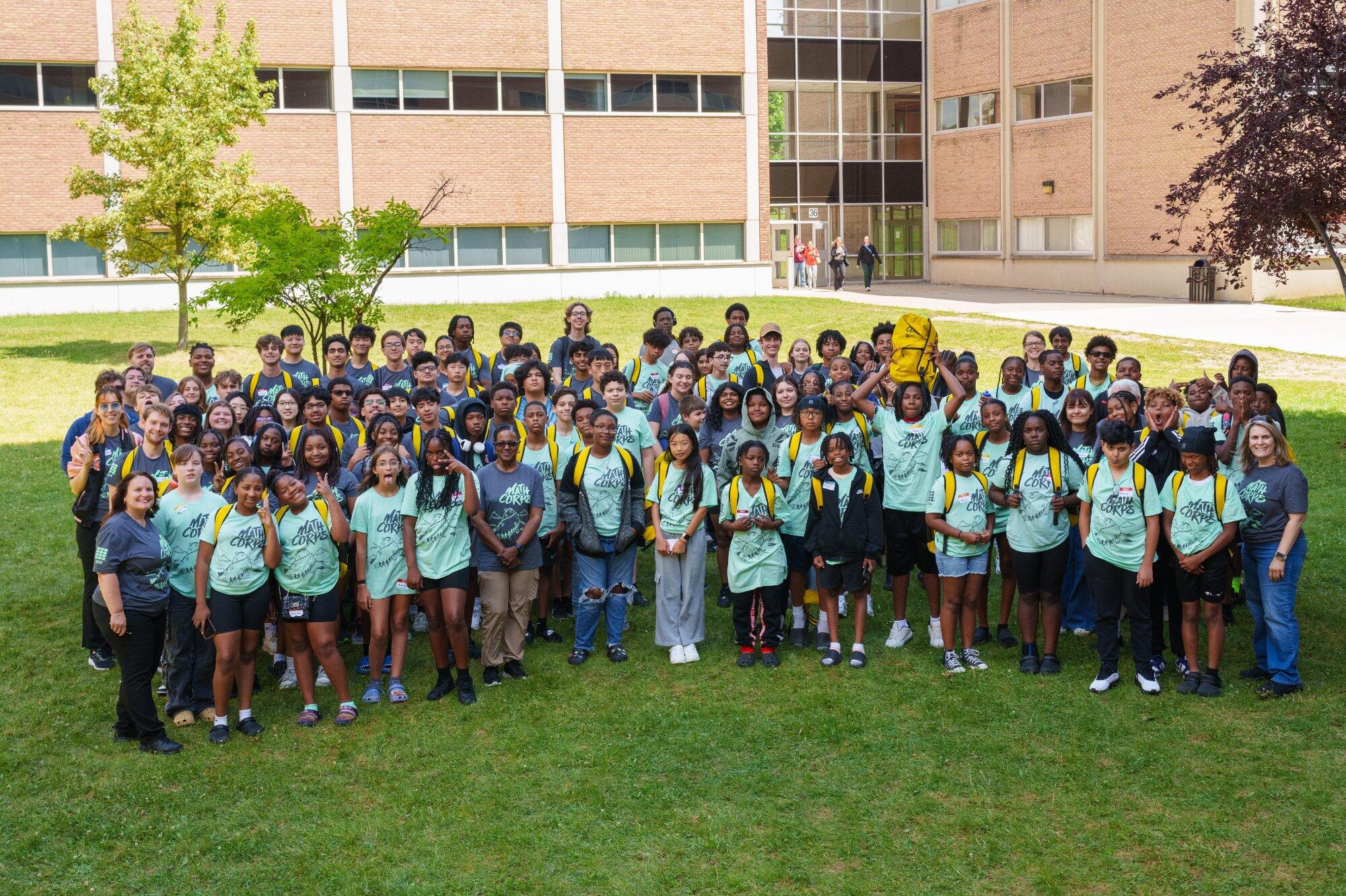
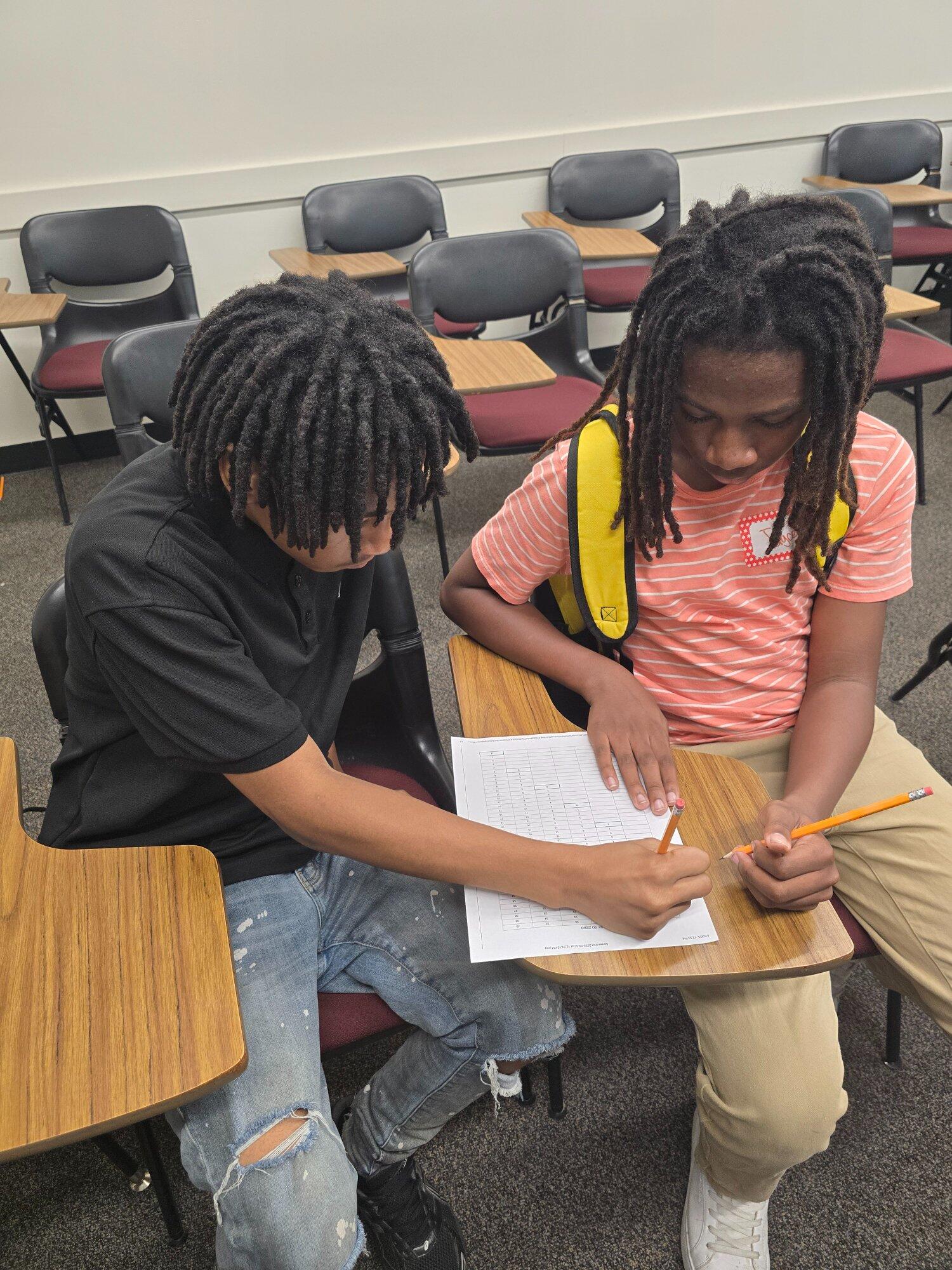
For over 33 years, Math Corps has operated on a simple belief: every kid can do math, and the summer is not a time to lose ground — it’s a time to gain it. Our summer camp model is built precisely around what the research shows works: intensive daily math instruction, near-peer mentoring, and an environment where students don’t just review what they’ve forgotten — they discover what they’re capable of.
Interested in enrolling your student or supporting our work? [Visit mathcorps.org to learn more.]